

"June 2026" Archives

Archive page

Coming Soon

The Complete Guide to the VA Foreign Medical Program in the Dominican Republic

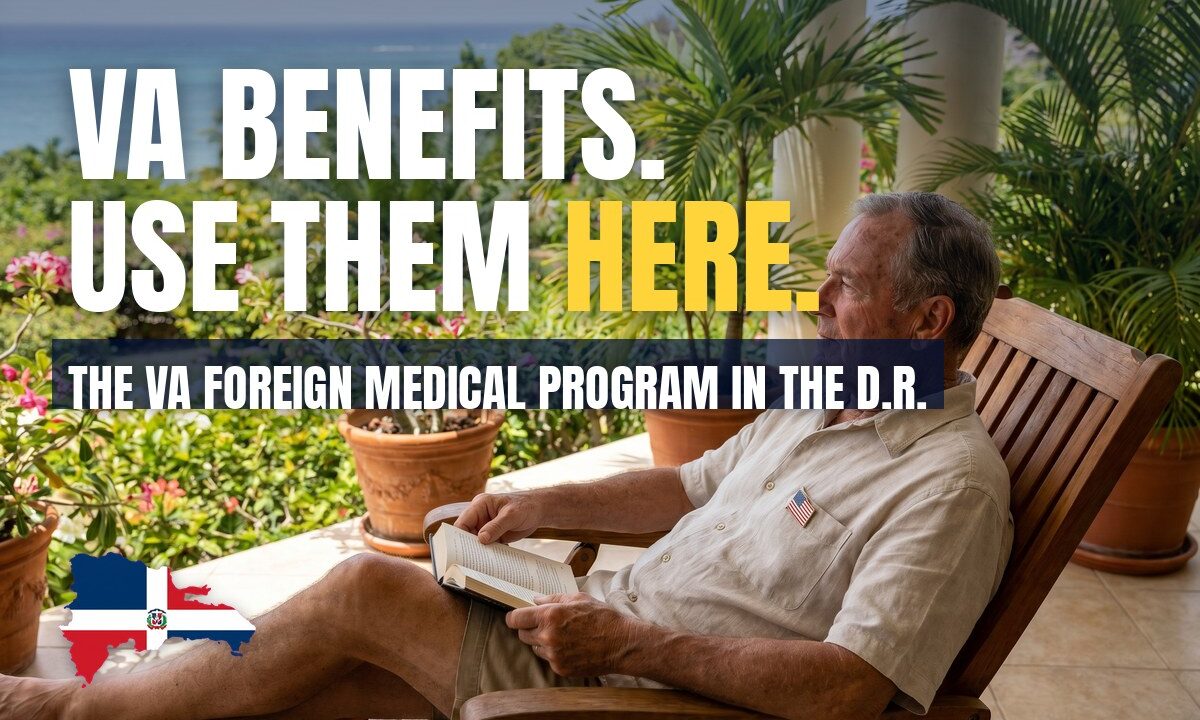
The VA Foreign Medical Program (FMP) allows US veterans with service-connected disabilities to receive full medical coverage while living in the Dominican Republic. The program covers medically necessary care, including treatment for associated conditions. Starting July 2026, claims processing moved to a streamlined system with direct deposit support, making it easier for veterans living abroad….

The First 30 Days in Dominican Republic: Your Essential Relocation Checklist

Your first 30 days in the Dominican Republic require action on government registration, banking, utilities, and social connections. Prioritize residency documents, open a local bank account, arrange electricity and water services, get a phone SIM, and connect with your community to avoid culture shock and logistical delays. Pre-Arrival Preparation (Before You Leave) Start your transition…

Is the Water Safe to Drink in the Dominican Republic? A Complete Filtration Guide

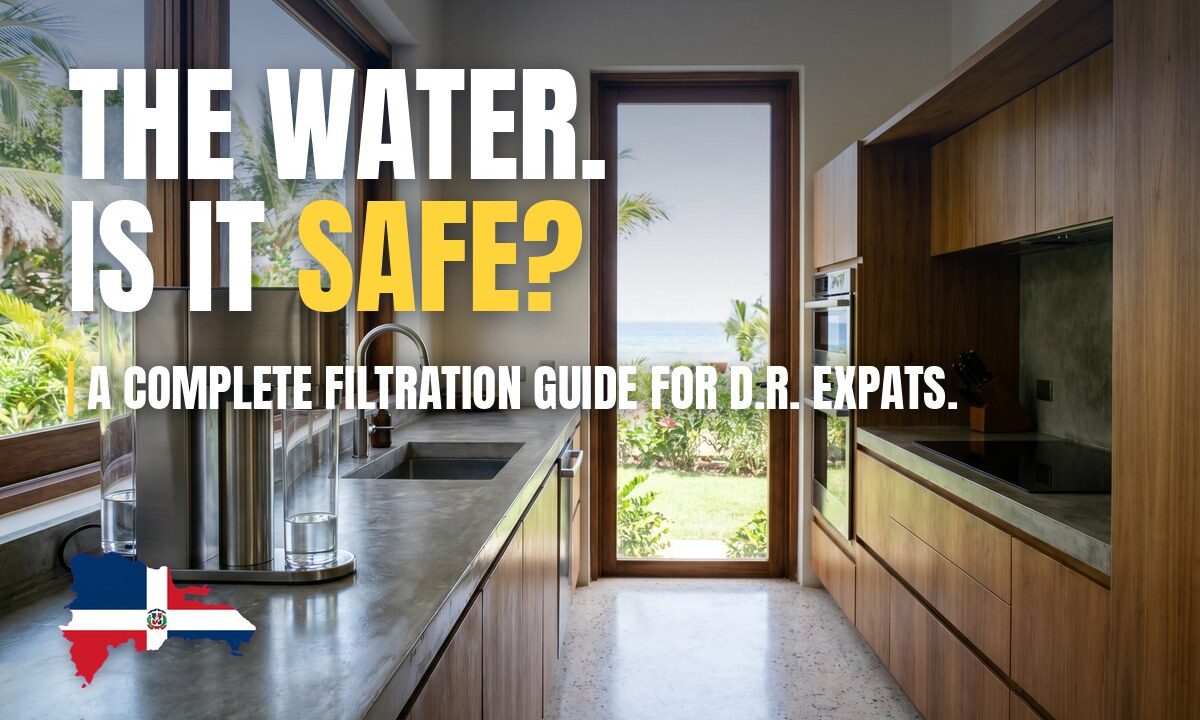
Tap water in the Dominican Republic is not safe to drink directly. Most North American expats use bottled water for drinking and cooking, while newer builds include UV filtration or reverse osmosis systems. Older properties require water filter installation for comfort and safety. Understanding Water Quality on the North Coast The Dominican Republic does not…

Meeting People in the Dominican Republic: Expat Clubs, Events, and Volunteer Opportunities

The Dominican Republic has a vibrant expat community centered on the North Coast, with regular social gatherings, sports leagues, volunteer organizations, and cultural events. Most new residents find their social circle within the first 30 days through gated community activities, beach clubs, and organized meetups. Why Social Connection Matters When You Relocate Moving to a…

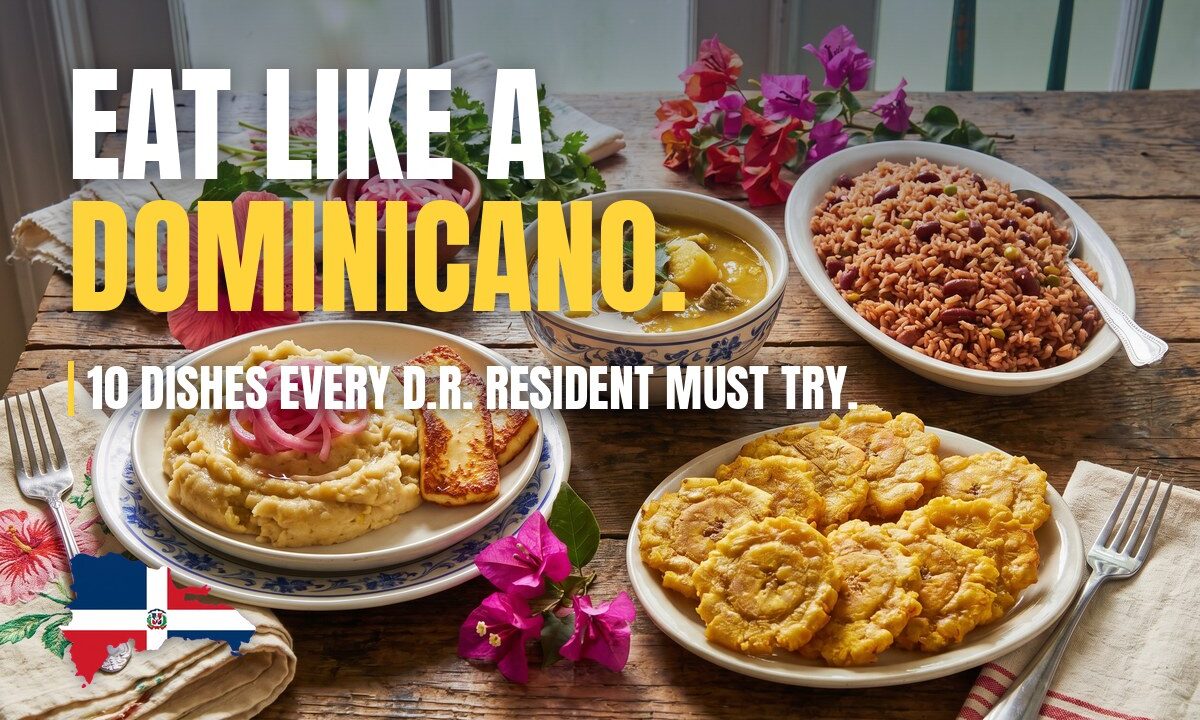
Traditional Dominican Food: 10 Dishes Every New Resident Must Try

Dominican cuisine blends Spanish, African, and Caribbean influences into hearty, flavorful dishes centered on rice, beans, plantains, and fresh seafood. New residents should try La Bandera, Mangu, Tostones, Sancocho, and other staples that define local food culture at affordable prices ($5-$15 per meal). The Essentials: What Makes Dominican Food Special Dominican cooking is about simplicity,…

Working Remotely in Cabarete: Best Coworking Spaces and Internet Speeds

Cabarete offers reliable fiber optic internet (30–300 Mbps) in gated communities and select coworking spaces, making it viable for remote professionals. The best spaces include dedicated coworking hubs with backup power, high-speed Wi-Fi, and a strong digital nomad community. Plan for blackout backup systems to maintain productivity year-round. Why Cabarete Attracts Digital Nomads Cabarete is…

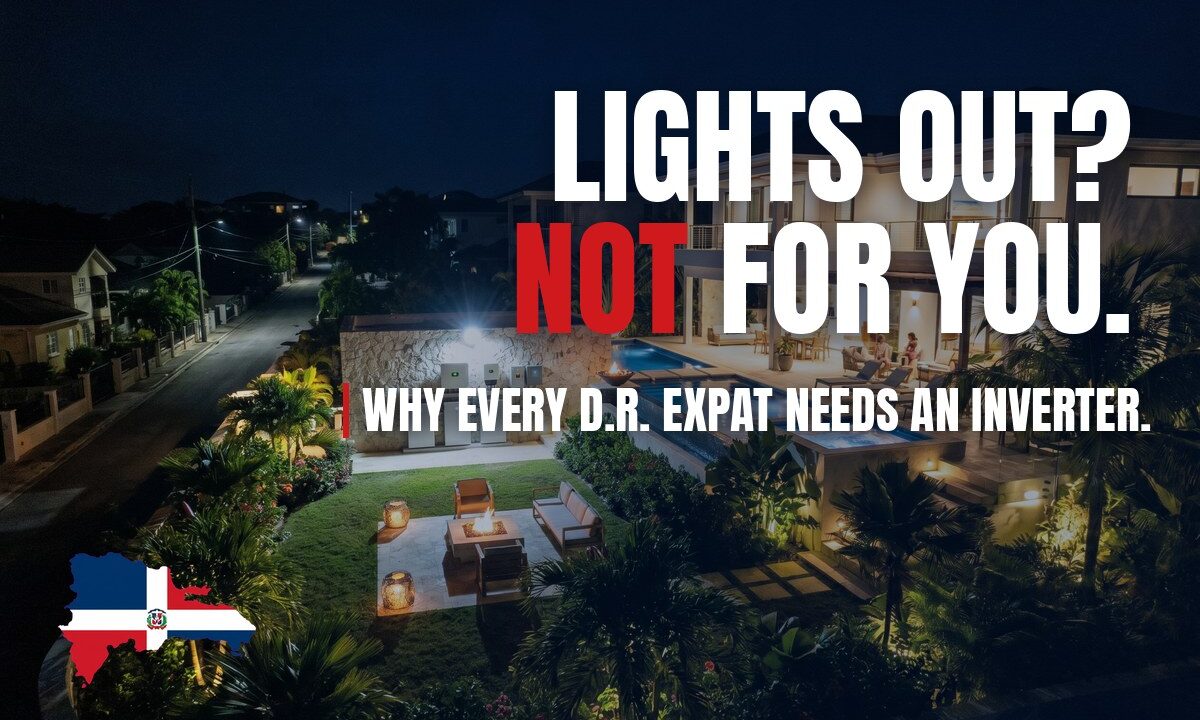
The Truth About Electricity Blackouts: Why Every Expat Needs an Inverter

Electricity blackouts in the Dominican Republic are frequent and unpredictable, lasting from hours to days depending on your region. An inverter system with battery backup is essential for expats who want reliable power for air conditioning, internet, and medical devices. Most North Coast residents invest $2,000 to $8,000 in inverter and battery systems to maintain…

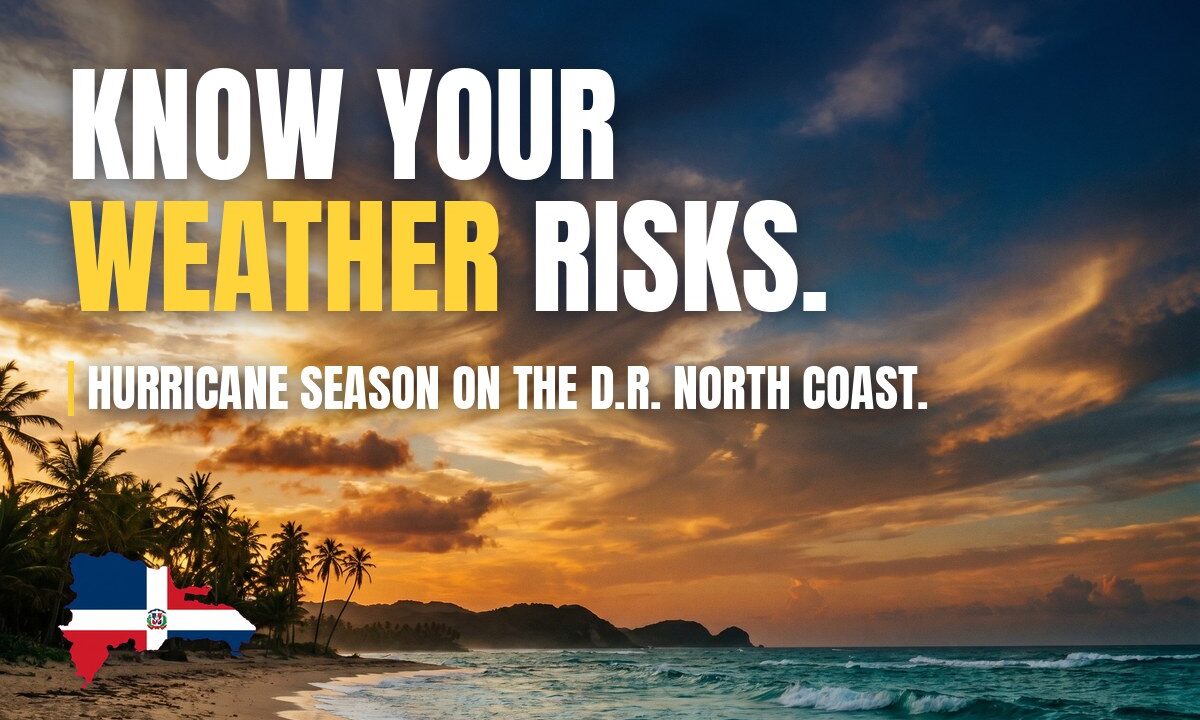
Weather Patterns on the North Coast: Understanding Hurricane Risks

The North Coast’s hurricane season runs from mid-July to October, with peak activity in late August and September. Warm sea temperatures (28–30°C) fuel storm development. The Septentrional mountains provide natural protection, reducing wind impact. For buyers and investors, choosing storm-resilient properties in gated communities minimizes risk. Hurricane Season Timeline on the North Coast The Atlantic…

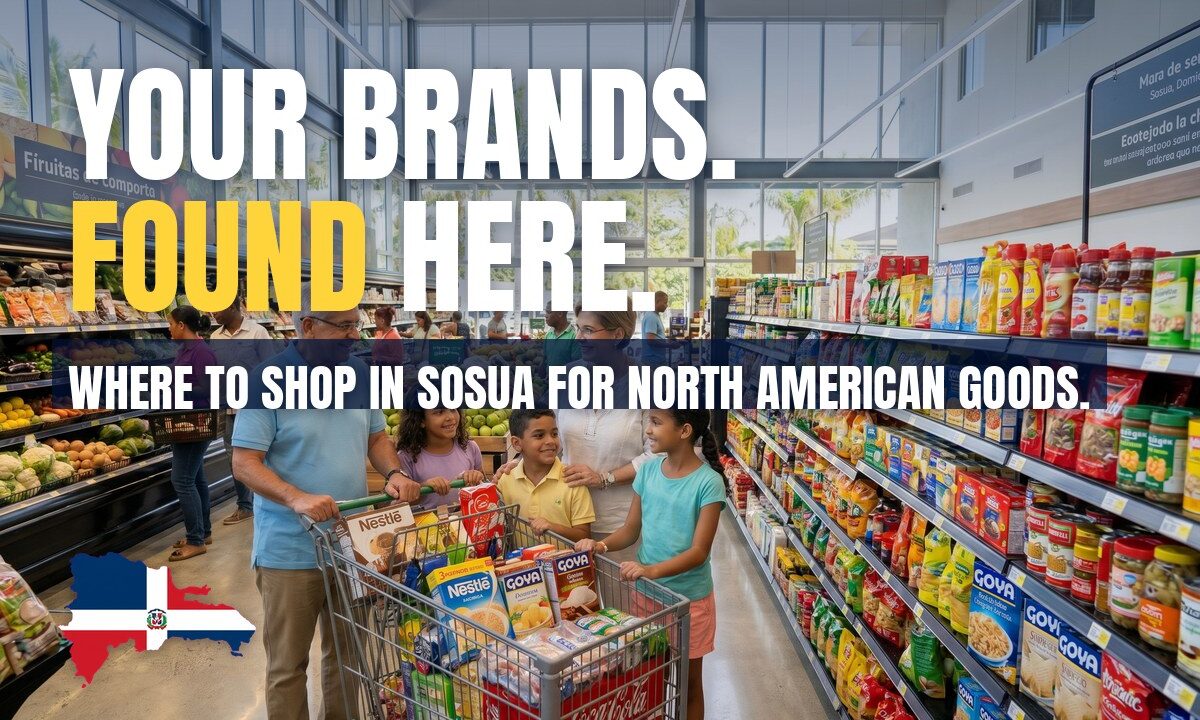
Grocery Shopping in Sosúa: Where to Find Your Favorite North American Brands

Sosúa has two main supermarkets—Super Pola and Supermarket Janet—that stock North American brands like horseradish, wine, and specialty items. Imported goods cost 20–50% more than US prices, but local fresh produce is 50% cheaper. Strategic shopping at both stores maximizes value for expats. The Two Essential Supermarkets in Sosúa Super Pola Super Pola is the…

How to Buy and Register a Car in the Dominican Republic: Step-by-Step Guide

Quick Answer Buying a car in the Dominican Republic involves finding a vehicle through a dealer or private seller, verifying title ownership, securing financing if needed, registering with the National Traffic Department (DIGESETT), obtaining insurance, and paying the annual registration fee called a “Marbete.” The process typically takes 2-4 weeks, and used vehicles cost 20-50%…

Learning Spanish for Expats in the Dominican Republic: Schools, Tips & Immersion Strategies

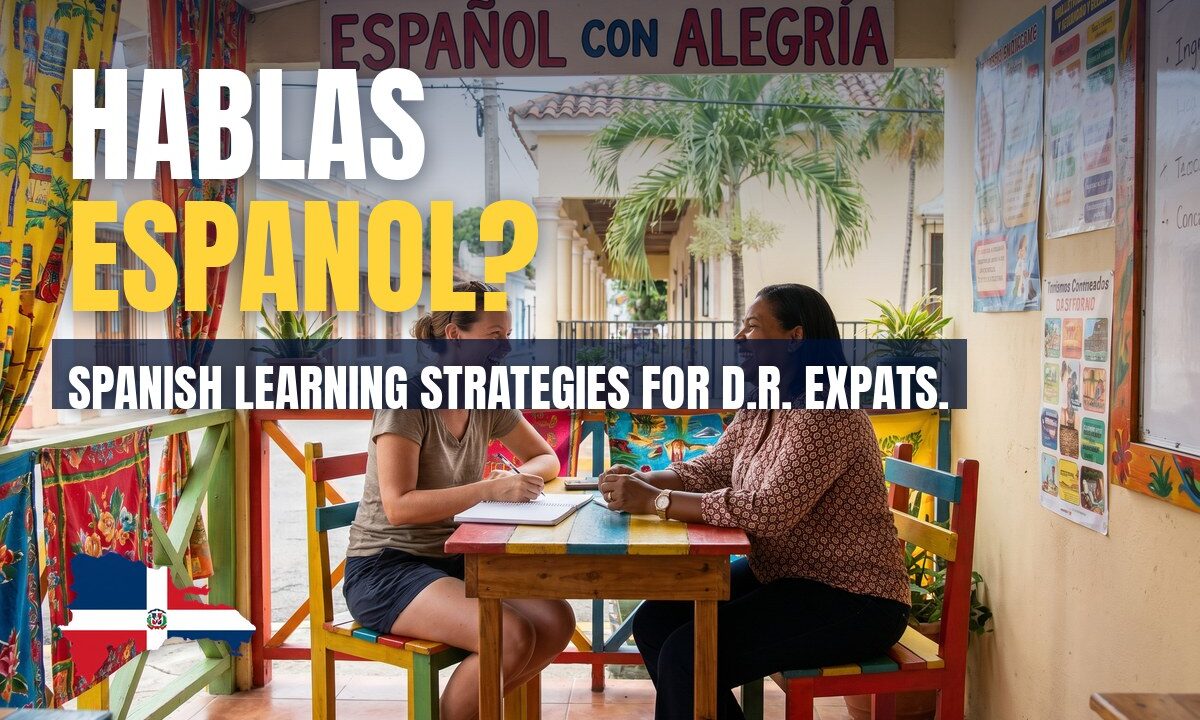
Spanish fluency is essential for expats in the Dominican Republic. Most reputable language schools on the North Coast cost $200-$400 per week for group classes. Immersion through daily interaction with locals, staying in Dominican neighborhoods, and combining formal lessons with real-world practice accelerates learning and deepens community integration. Why Spanish Fluency Matters for Dominican Expats…

The Expat Community in Las Terrenas: Why It Feels Like a Piece of Europe

Las Terrenas attracts a discerning expat community seeking authenticity and secluded luxury. French and Italian influences have shaped the town’s culture, cuisine, and architecture. Properties here cost 15-30% less than comparable Caribbean destinations like Tulum while offering European-style living standards. Why Las Terrenas Feels Like Europe Las Terrenas earned its nickname “the colorful town” by…