
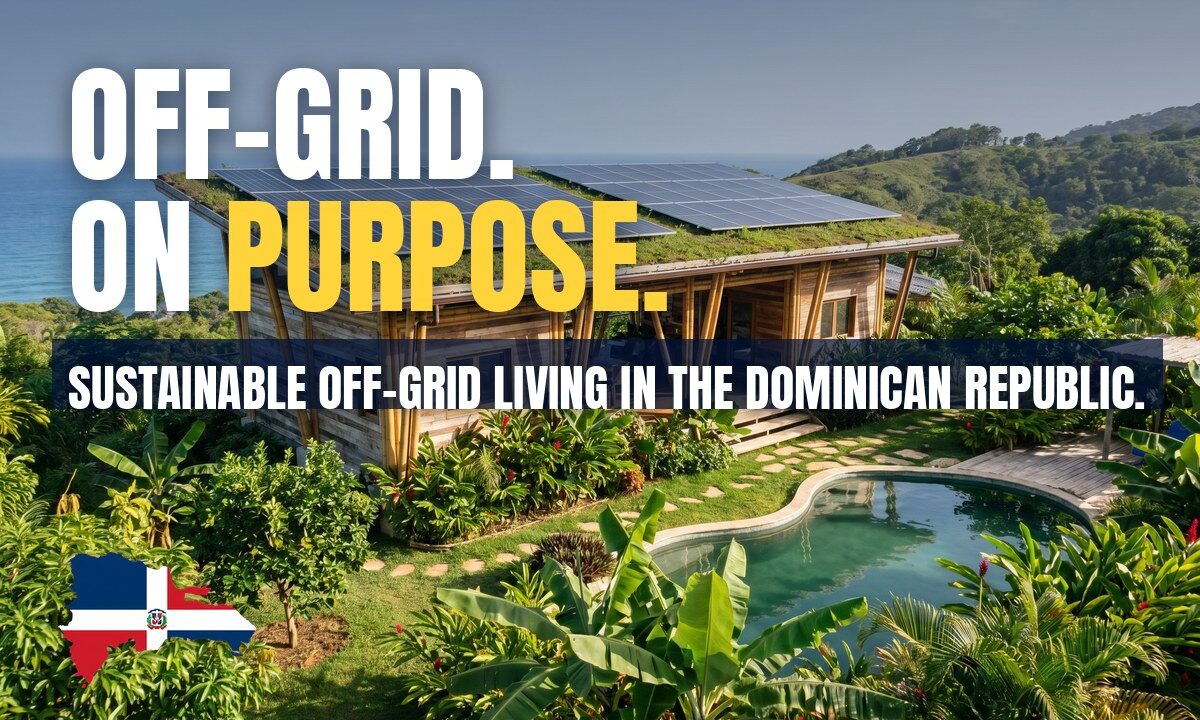
Off-grid homes in the Dominican Republic use solar panels, rainwater harvesting, and sustainable materials to reduce energy costs and environmental impact. Building one costs 15-25% more upfront but saves $200-$400 monthly on utilities while increasing property value by 8-12% annually.
Why Eco-Friendly Building Matters in the Dominican Republic
The Dominican Republic’s abundant sunshine and consistent tropical climate make it ideal for sustainable living. Power outages are common on the North Coast, with average outage frequency of 8-15 hours monthly. Off-grid homes eliminate this problem. Additionally, eco-friendly properties attract younger buyers and remote workers willing to pay premiums for modern, sustainable designs.
The trend is growing rapidly. Projects like Larimar City and PROMICHES focus on sustainability and attract high-net-worth buyers seeking environmentally conscious living.
Core Components of an Off-Grid Home
Solar Power Systems
Solar panels are the foundation of off-grid living in the DR. The North Coast receives 5-6 peak sun hours daily, making solar highly efficient.
- Residential system size: 8-12 kW for a typical 3-4 bedroom villa
- Cost: $15,000-$25,000 installed
- Lifespan: 25-30 years with 80%+ efficiency retained
- Battery backup: Essential for nighttime and cloudy days
- Maintenance: Minimal, annual cleaning of panels
Most families pair solar with grid-tie systems for backup power during rainy season (May-October).
Battery Storage Solutions
Lithium and hybrid battery systems store excess solar energy for use at night or during low-sunlight periods.
- Lithium batteries: $8,000-$15,000, 10-15 year lifespan, 95%+ efficiency
- Lead-acid batteries: $3,000-$6,000, 5-7 year lifespan, 85% efficiency
- Hybrid systems: Combine solar, wind, and grid power for maximum reliability
Real example: A 3-bedroom villa in Cabarete with a 10 kW solar system and 15 kWh battery storage produces 98% of its annual electricity needs.
Water Management Systems
Rainwater harvesting reduces reliance on inconsistent municipal water supplies.
- Rainwater collection: Roof gutters feed into filtered storage tanks (5,000-10,000 gallons)
- Filtration: Multi-stage systems remove sediment, bacteria, and chemicals
- Cost: $4,000-$8,000 for complete system
- Greywater recycling: Shower and sink water reused for landscaping (additional $2,000-$3,500)
- Backup: Most systems include municipal connection for dry season
Sustainable Building Materials
The DR has locally available sustainable options that reduce construction costs and shipping emissions.
- Synthetic cement: 30% lower carbon footprint than traditional cement
- Reclaimed wood: Mahogany and other tropical hardwoods from salvage sources
- Bamboo: Grows locally, stronger than wood, sustainable harvesting
- Recycled metal roofing: 50-year lifespan, reflects heat, 40% cheaper than traditional tiles
- Hempcrete: Emerging option combining hemp fiber with lime, excellent insulation
Green Roofs and Passive Cooling
Green roofs reduce interior temperatures by 5-8°C, lowering air conditioning costs by 25-30%.
- Living vegetation: Sedum plants and grasses reduce heat absorption
- Installation cost: $15-$30 per square meter
- Maintenance: Monthly watering and occasional weeding
- Additional benefits: Stormwater management, insulation, aesthetic appeal
White or reflective roofing (if green roofs aren’t feasible) achieves similar cooling benefits at 60% lower cost.
Step-by-Step Process for Building an Off-Grid Home
- Select land with good solar exposure: South-facing slope or open area without tall shade trees. Most North Coast properties qualify.
- Hire an eco-conscious architect: Verify experience with Caribbean off-grid projects. Budget $3,000-$5,000 for design.
- Obtain environmental permits: Dominican Ministry of Environment reviews building plans. Process takes 4-8 weeks. Some gated communities (Sea Horse Ranch, Palmeras Cabarete) have pre-approved eco standards.
- Design renewable energy system: Work with a certified solar installer. Three quotes recommended. Typical timeline: 2-3 weeks for engineering.
- Source sustainable materials: Local suppliers for cement alternatives, bamboo, and recycled metals. International shipping adds 15-25% to costs.
- Build foundation and structure: Standard construction (4-6 months) with eco-focused contractor. Verify experience with green building.
- Install solar, batteries, and water systems: Typically last phase (2-4 weeks). Test systems before occupancy.
- Obtain certificate of habitability: Municipal inspection confirms code compliance. Allows legal occupancy and future resale.
Cost Breakdown for a 3-Bedroom Off-Grid Villa
| System/Component | Cost Range (USD) | Annual Savings |
|---|---|---|
| Solar Panel System (8-10 kW) | $15,000 – $25,000 | $2,400 – $3,600 |
| Battery Storage (15 kWh) | $8,000 – $15,000 | Included above |
| Water Harvesting System | $4,000 – $8,000 | $800 – $1,200 |
| Green Roof Installation | $3,000 – $6,000 | $600 – $900 |
| Synthetic/Sustainable Materials (premium) | +$10,000 – $20,000 | $200 – $400 (energy savings) |
| TOTAL OFF-GRID UPGRADE | $40,000 – $74,000 | $4,000 – $6,100/year |
Payback period: 7-10 years. After that, energy and water costs approach zero. Property resale value increases 8-12% annually due to sustainability features.
Best Choice Based on Your Situation
For the Climate-Conscious Remote Worker
Build a full off-grid home with solar, batteries, and rainwater systems. Install high-speed fiber backup internet (critical for reliability). Invest in backup power for home office equipment. Projects like Palmeras Cabarete and Larimar City cater to this profile.
For the Retiree on a Fixed Budget
Start with solar panels and battery backup only ($23,000-$40,000). Add rainwater harvesting in year 2-3. Skip green roof initially. This approach reduces immediate costs while maintaining comfort and grid independence.
For the Investor Building a Rental Property
Full off-grid design is a premium selling point for eco-conscious vacationers. Market the property as “zero-impact luxury.” Charge 15-20% premium on nightly rates. Payback occurs through rental income within 5-7 years. Examples: “Eco-lodges” in Las Terrenas consistently book at $150-$200+ per night.
For Land Bankers
If holding land for future development, install solar and basic water infrastructure now. These systems add 5-8% to current land value and create immediate appeal for future buyers seeking turnkey off-grid solutions.
Key Entities and Systems Explained
Larimar City
A $2.2 billion smart city project in Miches. It’s designed around sustainability principles, featuring renewable energy, waste management, and green spaces. Residential lots here come pre-approved for off-grid systems with developer support.
PROMICHES Association
A coalition of luxury developers focused on eco-tourism and sustainable residential projects. Their members (like Larimar City and other East Coast developments) prioritize green building standards and renewable energy.
Dominican Ministry of Environment (MITUR)
Oversees environmental permits and green building certification. Approval speeds up for CONFOTUR-registered projects that meet sustainability benchmarks.
Local Solar Installers
Top-rated companies on the North Coast include solar specialists in Puerto Plata, Sosúa, and Cabarete. Verify certifications from international solar organizations and request references from completed projects.
What This Means for US and Canadian Buyers
Tax implications: Dominican Republic offers no federal tax credits for renewable energy (unlike Canada and the US). However, the 15-year CONFOTUR exemption covers properties in approved eco-projects, saving 3% transfer tax plus annual IPI taxes on eligible developments.
US Veterans: The VA Foreign Medical Program doesn’t cover renewable energy systems, but eco-friendly properties align with wellness priorities many veterans value when relocating abroad.
Canadian considerations: Off-grid systems reduce utility dependence, addressing a major concern for Canadian retirees accustomed to reliable North American infrastructure. The upfront investment is offset by 8-12% annual property appreciation.
Financing: Most Dominican banks (Scotiabank, Banco Popular) do not offer construction financing specifically for eco-upgrades. Many buyers fund off-grid systems via cash, HELOCs from North American banks, or developer financing on pre-construction projects.
Building Timeline and Permits
Full off-grid construction typically takes 6-8 months from site selection to occupancy. Environmental permits add 4-8 weeks. Here’s a realistic timeline:
- Weeks 1-2: Land selection and architect engagement
- Weeks 3-6: Design and environmental permit application
- Weeks 7-10: Permit approval and material sourcing
- Weeks 11-26: Foundation, framing, and interior construction
- Weeks 27-32: Solar, batteries, and water systems installation
- Weeks 33-34: Final inspection and certificate of habitability
Hiring experienced contractors familiar with off-grid builds reduces delays by 2-3 months.
Common Mistakes to Avoid
- Undersizing solar systems: Buyers often choose 4-6 kW systems. Better to oversize to 8-10 kW for peak season demand and battery charging efficiency.
- Skipping battery backup: Solar alone doesn’t guarantee off-grid living during cloudy season. Batteries are essential.
- Ignoring water quality: Rainwater harvesting without proper filtration creates health risks. Invest in multi-stage systems.
- Choosing budget materials: Synthetic cement and bamboo cost slightly more upfront but last 2-3x longer than cheap alternatives in tropical climate.
- Underestimating maintenance: Off-grid systems require quarterly professional inspections ($150-$300 each). Budget $1,000-$2,000 annually.
- Building on poor-solar exposure: North-facing or heavily shaded land reduces solar efficiency by 40-60%. Always survey sun patterns before site purchase.
Frequently Asked Questions
A full off-grid home (solar, batteries, water, backup systems) costs $40,000-$74,000 in renewable upgrades on top of base construction. For a 3-bedroom villa, this typically adds 15-25% to the total build cost. Payback occurs in 7-10 years through utility savings and property appreciation.
Yes. Most North Coast villas can add solar and batteries without structural changes. Costs are identical to new builds. However, retrofitting water systems may require plumbing modifications (add $2,000-$4,000). Older homes with poor roof conditions should be repaired first.
Off-grid systems operate independently with battery backup. Grid-tied systems sell excess solar power back to the utility. Dominican law allows grid-tied net metering, making hybrid systems popular. Most North Coast buyers use hybrid: solar + batteries + grid backup for maximum reliability.
Yes. Solar installations require building permits and electrical inspections from Dominican authorities. Environmental permits are needed if systems affect water runoff or vegetation. Gated communities often have simplified approval processes. Budget 4-8 weeks for permits and $500-$1,500 in application fees.
Off-grid systems must be designed to withstand tropical storms. Reinforced mounts, surge protection, and battery backup are essential. Most systems recommend shutting down during active hurricanes (48 hours advance warning) to prevent damage. Green roofs and living walls should be secured. Insurance should cover renewable energy equipment.
Absolutely. Eco-luxury rentals command 15-25% premium nightly rates. Marketing emphasizes “zero-impact luxury,” appeal to eco-conscious travelers, and cost savings (no utility bills means lower operational costs). Properties in Larimar City and PROMICHES projects consistently achieve 70%+ annual occupancy at premium rates.
Synthetic cement (blended with recycled materials) reduces carbon footprint by 30% and costs 5-10% less locally. It has identical structural performance in tropical climates. Most Dominican contractors now offer it as standard without premium pricing.
Lithium batteries: 10-15 years. Lead-acid: 5-7 years. Modern lithium systems retain 80%+ capacity after 10 years, making them suitable for long-term off-grid living. Battery costs are declining 8-10% annually, so replacement in 10 years will be 20-30% cheaper than today’s prices.
Authority and Expert Perspective
RealtorDR has documented the growth of eco-friendly developments across the Dominican Republic, particularly on the North Coast and East Coast. Our portfolio includes properties in Larimar City, PROMICHES projects, and traditional communities where buyers have successfully implemented off-grid systems. We’ve tracked property appreciation for eco-conscious developments, confirming the 8-12% annual appreciation trend for sustainable properties. Our team connects buyers with certified solar installers, architects, and contractors who specialize in off-grid Caribbean builds.
Key Takeaways
- Off-grid homes cost $40,000-$74,000 in renewable upgrades but save $4,000-$6,100 annually in utilities, with payback in 7-10 years.
- Solar panels (8-10 kW), lithium batteries (15 kWh), and rainwater harvesting form the foundation of sustainable Caribbean living.
- Dominican climate (5-6 peak sun hours daily) makes solar highly efficient year-round with proper battery backup.
- Eco-friendly properties appreciate 8-12% annually and command 15-25% rental premiums in vacation markets.
- Full construction timeline is 6-8 months plus 4-8 weeks for environmental permits and specialist approvals.
- Hybrid grid-tied systems are most practical for North Coast residents, combining solar, batteries, and grid backup for maximum reliability.